Insights

Unlocking the NPR Advantage: How Trust and Receptivity Drive Sponsorship ROI

Article
October 2026

Susan Leland

As the podcasting landscape expands into a multi-touchpoint ecosystem, connecting with high-intent, highly engaged audiences remains top of mind for brand sponsors. New findings from Sounds Profitable’s Podcast Atlas 2026 research on the NPR podcast audience demonstrate how NPR podcast listeners do not just tolerate podcast ads; they trust them, remember them and act on them at rates significantly higher than the broader podcast-listening public.

Hear from Susan Leland, Director of NPR’s Audience Insights, on the key takeaways and how NPR Podcasts offers a unique environment for sponsorship.

1. The Trust Foundation: Why NPR Podcast Listeners Are More Receptive

Sounds Profitable found that audio podcasting serves as the primary “Trust Engine” of the creator ecosystem, building deep credibility through intimate, undistracted relationships with listeners. For NPR listeners, that trust is especially pronounced: 66% of NPR podcast listeners trust audio podcast content to be factual and accurate, compared to 53% of non-listeners.

This foundational trust directly translates into a more receptive ad environment. Compared to non-listeners, NPR listeners hold significantly more positive attitudes toward the podcast ad experience:

  • Non-Disruptive: 47% agree ads are non-disruptive (vs. 33% for non-listeners).
  • Relevant to Interests: 51% find sponsor messages relevant to their interests (vs. 38% non-listeners).
  • Authentic & Natural: 53% view podcast ads as authentic and natural ( vs. 46% non-listeners).
  • Useful Information: 53% state that ads provide useful information (vs. 47% non-listeners).
  • Personalized Feel: 44% feel that ads are personalized to them (vs. 32% non-listeners).
  • High Satisfaction: 45% report that purchases met their expectations (vs. 32% non-NPR), and 44% never felt misled (vs. 35% non-listeners).

2. High Brand Recall and Flexible Creative Opportunities

NPR listeners pay attention to sponsor messages, resulting in stronger recall and brand awareness. 32% of NPR podcast listeners recalled three or more brand names from ads, 10 percentage points higher than non-listeners (22%).

Furthermore, the data highlights flexible creative options for brand advertisers. While host-reads perform well across podcasting (33% of NPR listeners find host reads most persuasive), NPR listeners are 12 points more likely than non-listeners to find produced ads or ads read by non-host voices most persuasive (37% vs. 25%). This receptivity to polished, produced sponsorship messaging offers brands greater flexibility in creative execution without sacrificing audience receptivity.

3. Converting Receptivity into High-Value Action

High trust and brand recall yield clear commercial results. NPR podcast listeners are less likely to avoid advertising: 15% less likely than non-NPR listeners to report skipping, fast-forwarding or ignoring podcast ads.

When NPR listeners hear an ad, they take action across every stage of the purchase funnel at rates nearly double or triple industry baselines:

Post-ad exposure actions among NPR podcast listeners

+14

lift in purchasing the advertised product (22% vs 8% among non-listeners)

+14

lift in telling others about the ad (25% vs 11% among non-listeners)

+13

lift in telling others about the product (25 vs 12% among non-listeners)

+15

lift in visiting the advertiser’s website (29% vs 14% among non-listeners)

+15

lift in using the promo code in the ad (28% vs 13% among non-listeners)

Beyond higher conversion rates, NPR listeners possess greater purchasing power. 37% of NPR podcast listeners spent $300 or more in the past three months on products advertised on podcasts, 15 percentage points higher than non-listeners (22%).

Key Takeaways for Sponsors

1. Leverage the Halo Effect: Strong factual trust in NPR content elevates sponsor credibility, turning brand messages into authentic, non-disruptive recommendations.

2. Experiment with Produced Formats: Take advantage of the NPR audience’s unique receptivity to NPR’s sponsorship messaging alongside host-reads

3. Capture High-Intent Buyers: NPR listeners index up to 244 for post-ad purchases and spend more on podcast-promoted goods.

More from National Public Media

Article
July 2026

The NPR halo effect: Record-highs translate to a competitive advantage for sponsors

The NPR halo effect is stronger than ever. See how it turns sponsorship into audience connection for brands.

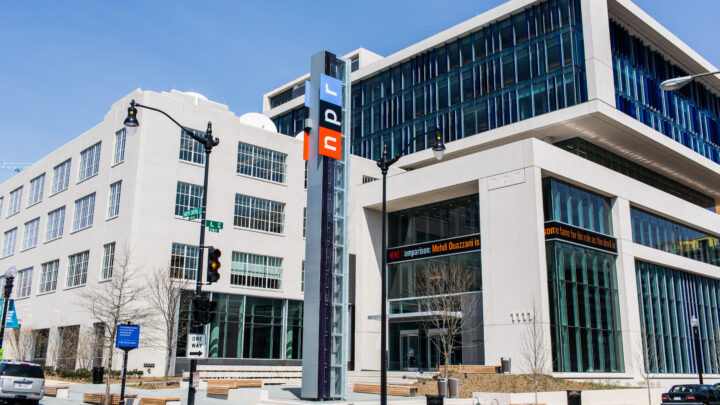
NPR Headquarters in Washington, DC
Article
August 2026

Why NPR remains one of the most trusted news sources in the U.S.

Explore how NPR’s non-profit model, strict editorial ethics, and uncluttered sponsorship environment maintain high trust, integrity, and audience affinity.

Article
October 2026

How to Build Brand Authority Through Premium Placement

Explore how NPR’s premium media environment, the NPR Halo Effect, and uncluttered sponsorship drive ROI that programmatic volume can’t match.

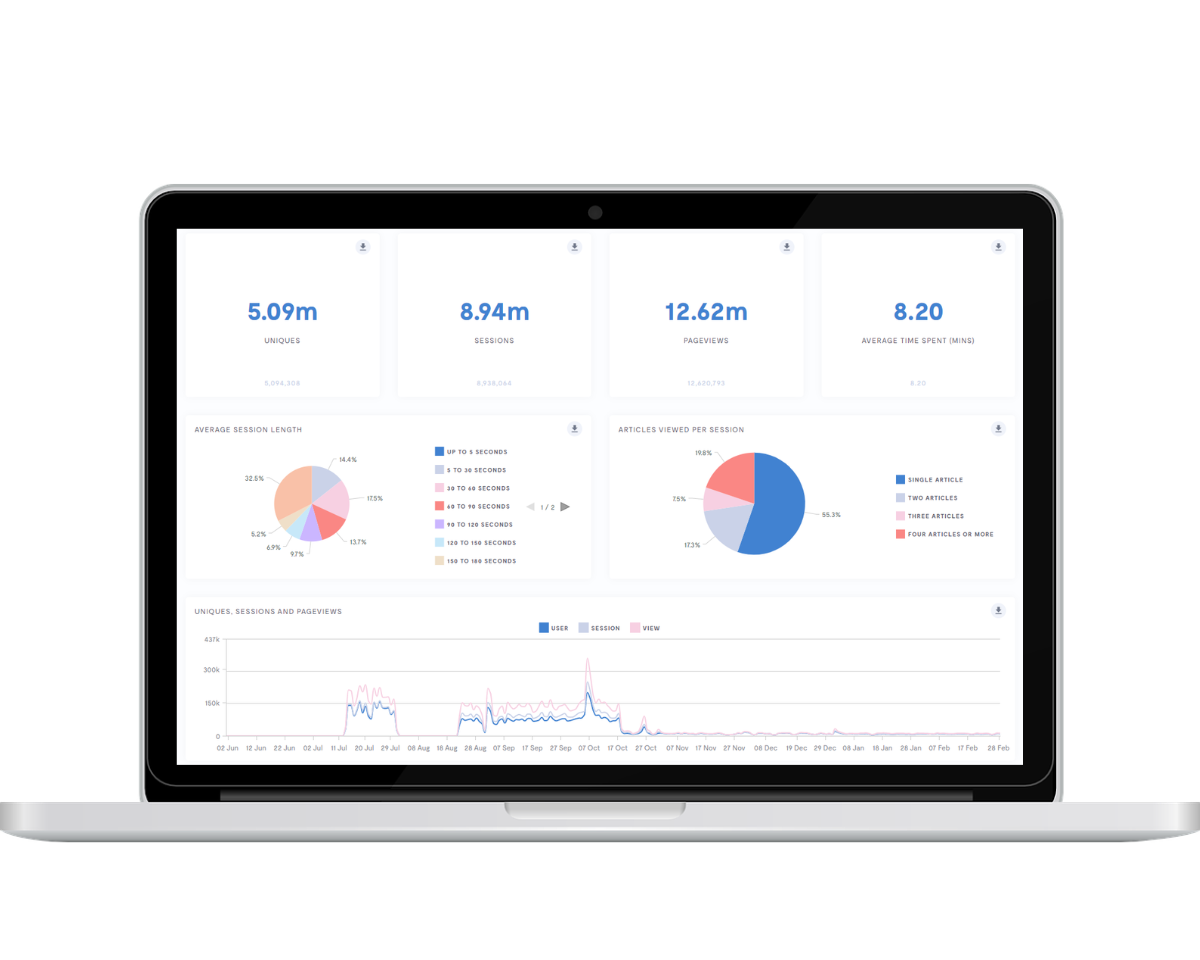
Measure audience-specific trends in display campaign performance.

With audience-specific campaign analyses, sponsors can understand the characteristics of their target audience or users who click on their banners, and use that information to tailor future campaigns.
See All Measurement Tools